By StLouisDumpster.com • Practical dumpster planning
Start with the space your items occupy
Dumpster sizes are commonly described in cubic yards. That is a measure of volume, not a promise that a certain number of rooms will fit. Two bedrooms can contain a bed and a few boxes or decades of furniture, books, and stored belongings. A project label alone rarely tells the full story.
Walk through the work area and write down the large items first. Sofas, cabinets, shelving, and awkward furniture can determine how much usable space you need. Then add bags, boxes, and loose debris. Set aside anything that will be kept, donated, or recycled so it does not inflate the estimate.
Make a separate list of heavy material
Now identify materials that are dense for their size. Tile, plaster, roofing, and masonry deserve a separate conversation. They can change the container recommendation and may have specific acceptance or loading requirements. Do not assume that because a material physically fits, a full load of it is permitted.
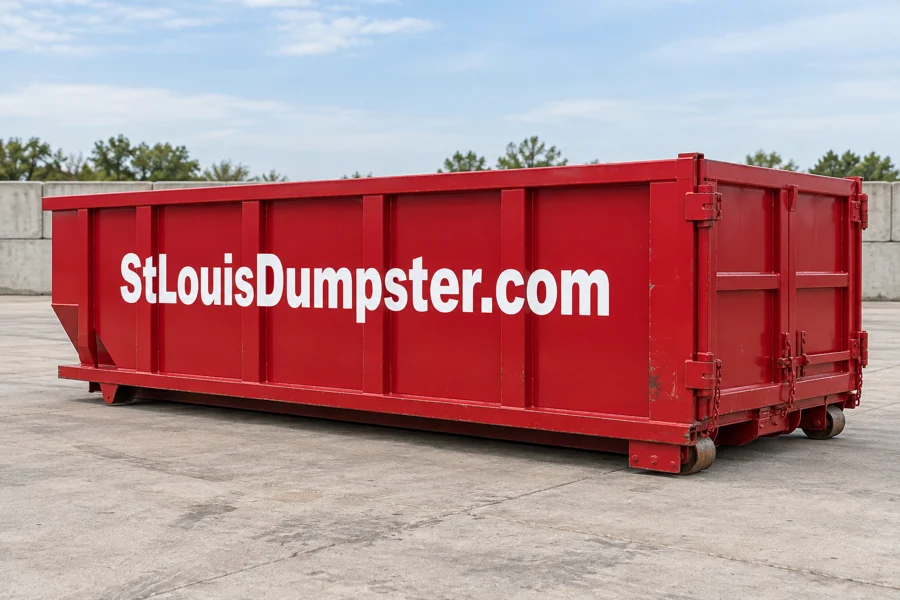
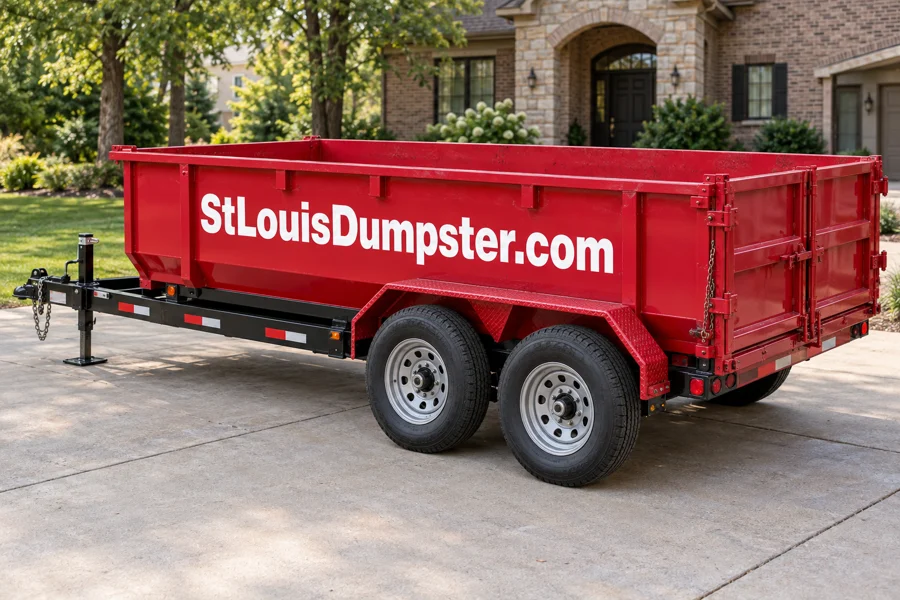
The included weight is part of the rental arrangement. For example, our listed 10 yard roll off includes 4,000 pounds, while the 10 yard rubber wheel option includes 2,000 pounds. Those containers share a nominal volume, but the listed allowances differ. Confirm the complete terms for the exact option you reserve.
Estimate the project after sorting
It is tempting to order as soon as you decide to clean. Spending a little time sorting first often produces a more useful estimate. Open the storage closet, check the garage loft, and decide which furniture is actually leaving. Hidden piles are a common reason the original estimate stops matching the job.
For renovation work, ask the person doing demolition what materials will come out and when. A flooring project with a heavy underlayment is different from removing carpet alone. Share those details rather than describing both as a floor replacement.
Compare the whole rental arrangement
Price, included weight, rental duration, access, and accepted materials all belong in the comparison. Ask how additional weight or extra days are charged and whether the quoted arrangement fits your address. Choose capacity for the actual load rather than assuming the cheapest or largest option is automatically best.
Before loading, explain the material rules and fill limit to everyone helping. Keep questionable items aside until you have an answer. Call St. Louis Dumpster at (314) 282-3700 with your inventory and project dates to discuss the available choices.